

Like a lot of people during The Covid Times, we watched a heap of YouTube to pass some time. In particular, we binged a lot of local camping / caravanning / 4×4 / boating content. Inspired – and with no nautical skills whatsoever – we decided to get some boat licences, buy a Sea-Doo, and have some fun. By and large, it was a good decision, which is not to say we haven’t made a few mistakes along the way. Allow me to mention some of the things that have helped during our first 54 hours on the water.
Naturally, there are obvious and mandatory things to consider. Ensure your PWC is seaworthy, fully registered, fully insured, and known to your local rescue service. Don’t take risks with fuel; always go out with a full tank, and, if necessary, a supplementary fuel caddy. Test your battery and tyre pressures before leaving for the boat ramp. Also test your trailer’s lights. Ensure you have water, food, a first aid kit, flares and a V-sheet. Let someone know before you go out, and let them know when you’re back. Always wear a lifejacket. Obey all local laws and regulations.
Take things easy at the boat ramp. Reversing a trailer can be tricky and stressful; we found it incredibly useful to pay for some training. Remember that it’s often best to reverse slowly and to make only small adjustments with one’s steering wheel. Ratchet tie-downs can be a hassle – I found a set by WavesRx that are reliable and extremely easy to use. Check your PWC’s bungs are screwed in before reversing. If you have an external transducer, lower it as soon as your PWC is in the water. Have dock lines ready if you’re using a jetty, else beach your PWC securely – on sand, not rocks.
Reef shoes are a sensible thing to wear at the ramp and while riding, especially in environments like ours where stonefish can be found. Flip-flops / jandals / thongs are best to leave in your car for when you return… it feels great to swap shoes over before driving home. A hat with a chinstrap may not win many fashion awards, but hats without chinstraps tend not to survive the first beacon. Goggles are better than sunglasses. Wear sunscreen. Lightweight long-sleeve shirts offer awesome sun protection. Neoprene shorts or trousers apparently offer the best protection if you come off.
Aside from safety gear, food and water, it’s a top idea to pack a few microfibre towels. (An extra couple of standard towels in your car can be handy, too, for keeping your seats dry on the drive home.) A multitool for the front console is a good investment.
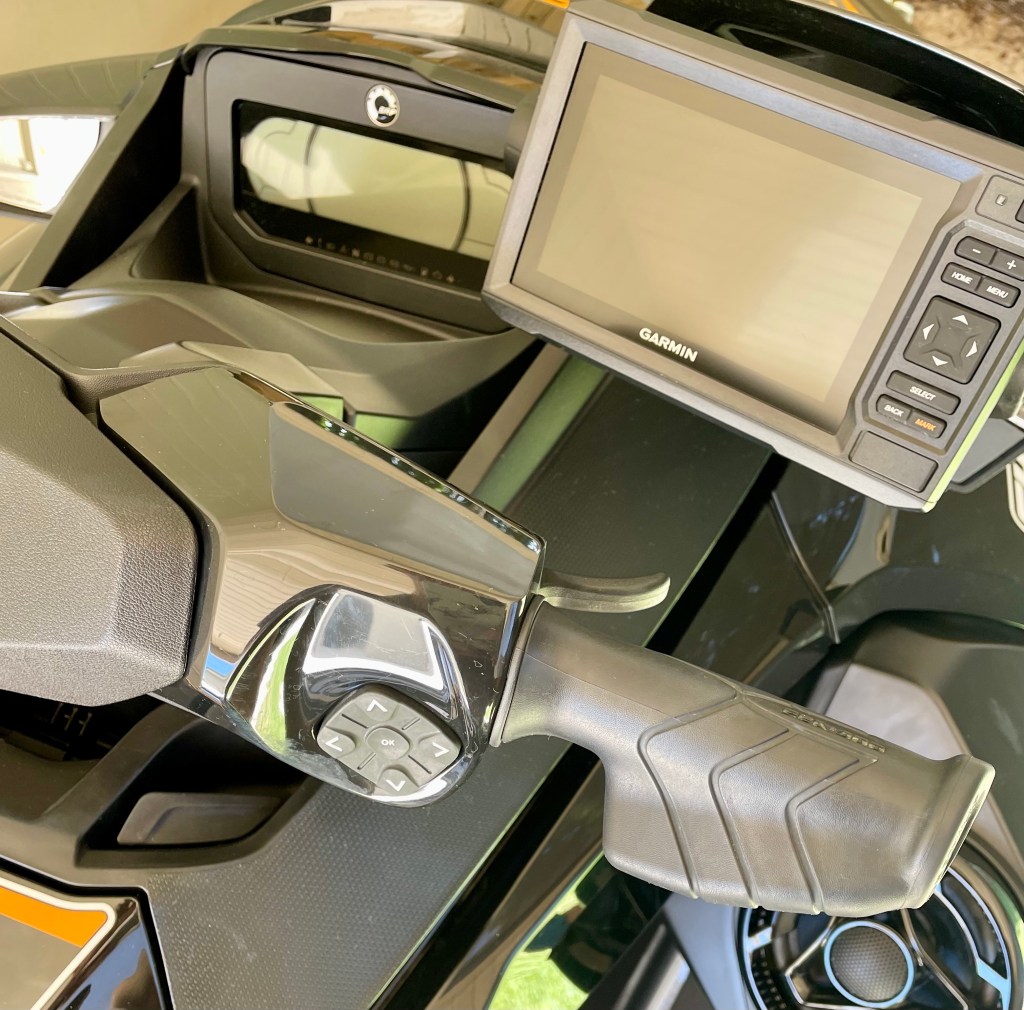
Tech is your friend. Always bring your fully-charged mobile phone with you. It’s a sound idea to let a friend or relative track your phone’s position using a service like Life360 or Apple’s FindMy. Use low-power mode on your phone if you can’t charge while riding. Have local rescue numbers stored in your address book and familiarise yourself with an app capable of providing your GPS coordinates. Obviously, fiddling with one’s phone while riding is a recipe for disaster, so consider placing your phone in a storage compartment. (Before heading out, I like to start a Relive session so I can show others my ride when back on dry land.) Use a reliable weather app to check conditions before you ride: wind, tide, and rainfall. If you have the means, consider a Garmin EchoMap (with a transducer), or similar. We’ve found the EchoMap to be invaluable. It’s accurate, easy to use, and provides us with excellent peace of mind.


On the water, there’s really no need for speed. The slower you go, the more amazing stuff you’ll see. If speed is a must for you, consider instead a motorcycle and do some laps at a fully-supervised track day… safer for everyone. Also, ride early in the morning. There’s less wind and fewer people. (And fewer people again if you ride mid-week.)
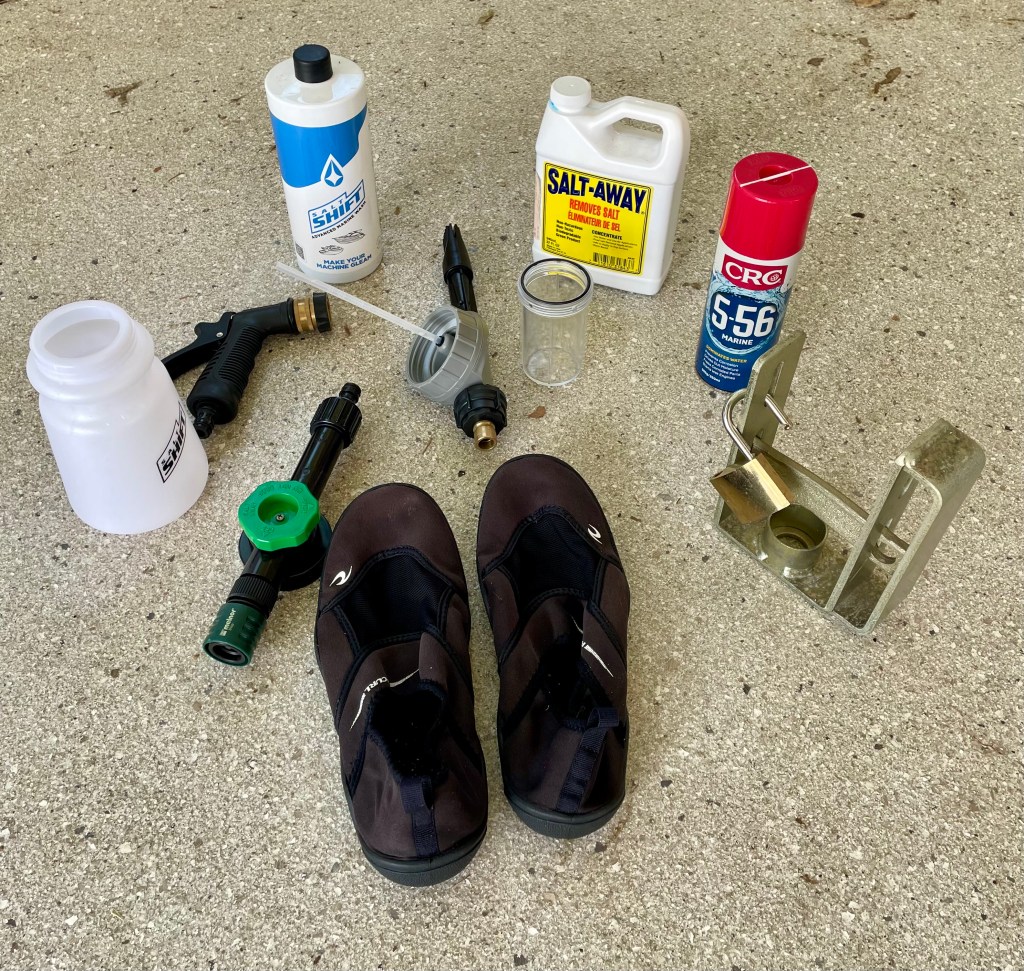
Off the water, wash and flush your PWC as soon as practicable. Take pride when cleaning. There are some amazing and inexpensive products out there that can make the job straightforward. Cover your PWC when it’s in the shed or garage. Install a lock on the trailer as a deterrent. Develop a good relationship with your PWC servicing centre. And have your PWC serviced at the recommended intervals.
Have fun shopping for accessories, but don’t take things too far. Just because you bought a new JetSki, it doesn’t follow you need a RAM to tow it. (On that note, don’t be dissuaded if you have a small vehicle. My Suzuki Jimny easily gets me to and from the boat ramp. The only necessary investment was modifying the trailer for inertial braking.) A workshop trolly is handy if you ever need to get your trailer serviced.
My most recent purchase is a portable jump-starter from EcoWatt. I wouldn’t say it’s a necessary accessory, but it gives me an increased sense of assurance, especially if I make a few stops. I am not sure I need to buy anything in the near future, except maybe an EPIRB if I ever decide to do some really long rides.
All in all, we’ve had some exceptional outings on the water. Admittedly, 54 hours is not a lot of time, so I still strongly consider ourselves novices. Would I recommend jetskiing as a pastime? Most definitely, provided you’re willing to adhere to some self-evident basics: (i) respect the water and everything in it; (ii) maintain your equipment well.
 Anthony Rasmussen